The Northeastern University Equestrian Club is giving the equine world of upper-class heiresses and million-dollar show horses a run for its unbridled money.
As part of a university situated squarely in the middle of Boston, the equestrian team seems as foreign and bourgeois to most students as the sport is in popular imagination. It’s no secret that horseback riding comes with a high price tag that many can never dream of affording. The United States Equestrian Federation, the national governing body for equestrian sports, reports that the average USEF member spends $16,000 each year on equine product purchases alone, not to mention the costs of buying, boarding and showing horses.
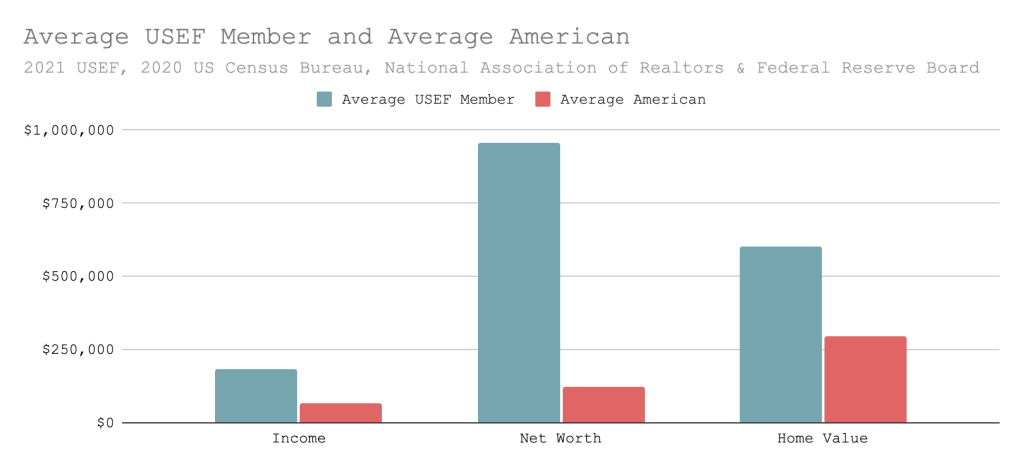
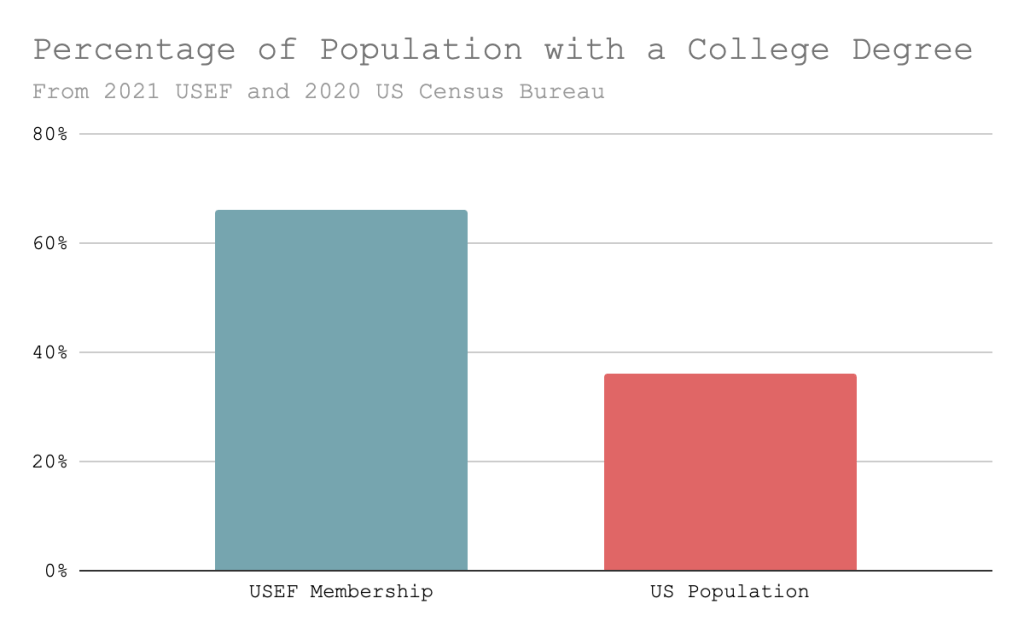
According to Kendra Coulter, a Brock University labor studies scholar, participants in equestrian culture are largely white, and their status becomes a symbol that shapes social experiences and communicates class hierarchy and selective inclusion, but as a club sport at a large university, NUEQ is uniquely positioned to make horseback riding more accessible for people of diverse bodies and backgrounds.
“Riding is meant to be accessible to all.”
Tara Lowary, chair of the Intercollegiate Horse Show Association’s Diversity, Equity and Inclusion Committee
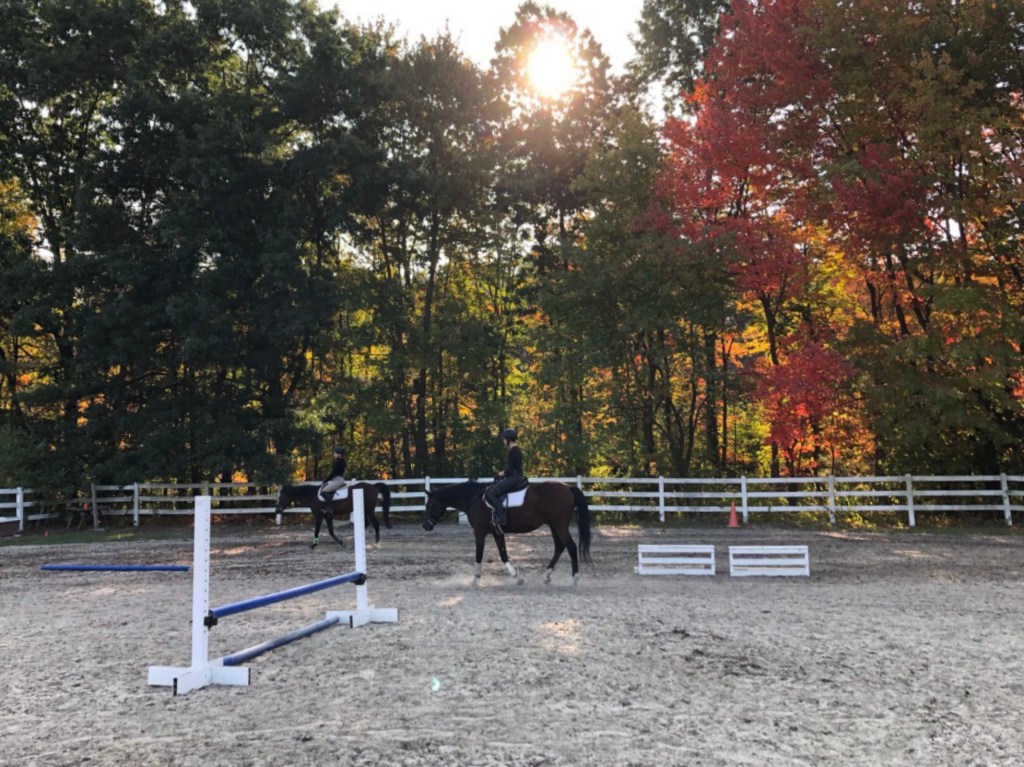
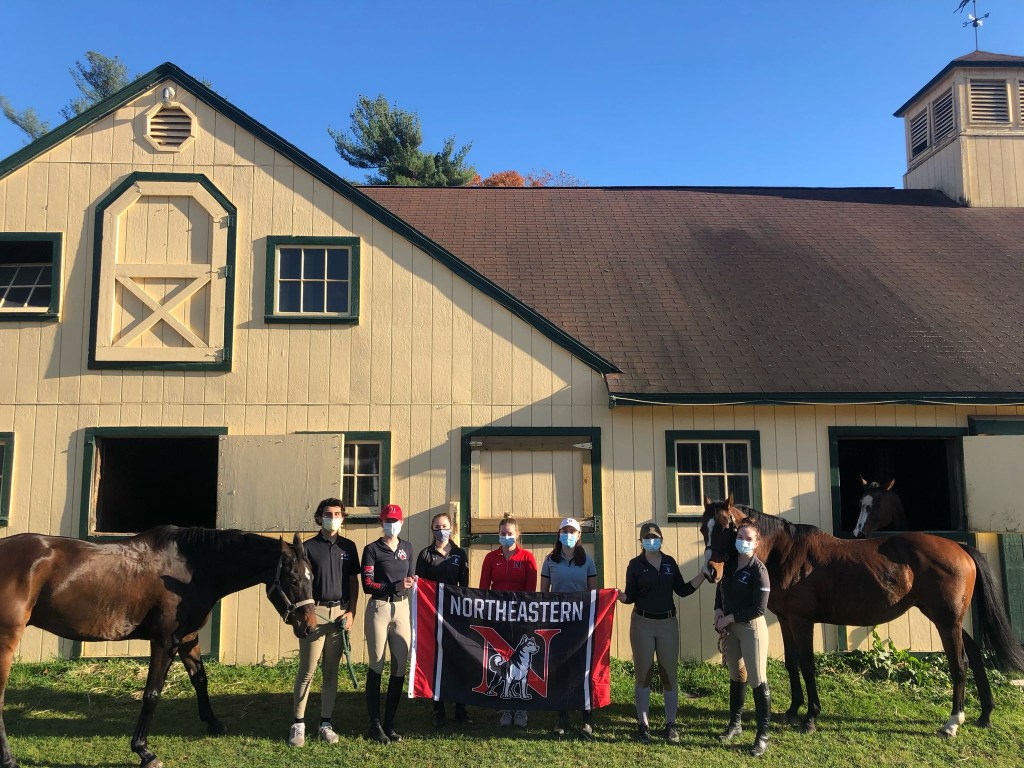
Twice a week, team captain Caitlin Looney wakes up at 6 a.m. and files into a van with the rest of the NUEQ team. They drive 45 minutes northwest of Boston to Harmony Horse Stables in Littleton, Mass., where they get dressed, fit the stable’s horses with saddles and bridles and run through practice with their coach before returning to campus by 11 a.m.
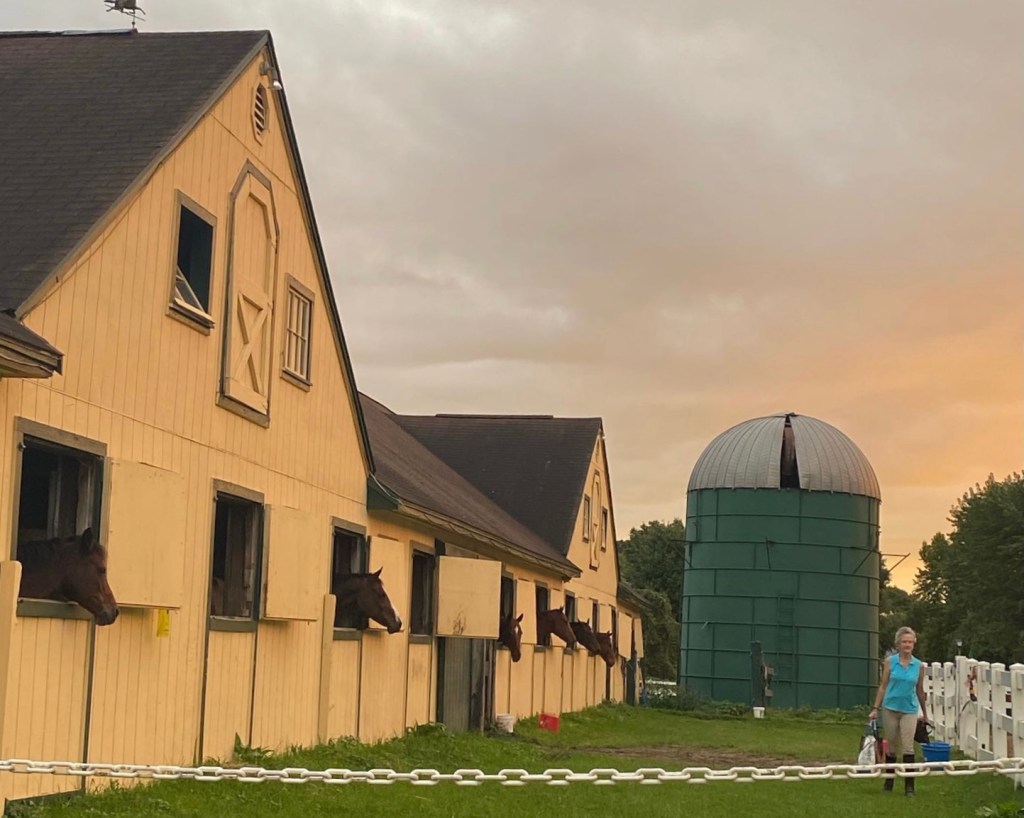
Although the club’s morning and evening practice options are designed to work with students’ varying class and co-op schedules, the immediate financial cost of participating in the sport is far from friendly to students already burdened with tuition and the cost of living in Boston.
“You come up here and it’s like, I have to board a horse at a facility that’s going to be a thousand dollars a month and then I have to take lessons, and shows are really expensive,” Looney said. “I think if you don’t have a lot of financial stability, it’s really hard to get into. And because of that, you see upper-class people and there’s not a ton of diversity.”
Rather than paying individually for private lessons and boarding, as most independent equestrian riders do, NUEQ functions off a system of dues that range from $400 to $600 per semester for once and twice weekly lessons, respectively, and showing costs $40 per category. Harmony Horse Stables provides horses, and although Northeastern provides funding through the club sports program, the team still needs to consistently seek out volunteer partnership programs and fundraisers to make participation more affordable for students without a few hundred dollars on hand.
“Because it’s such a unique sport that has a lot of different needs, it absolutely wouldn’t be able to stay on its feet without us doing our fundraising together and everyone on the team putting in the effort,” said Kate Zotos, a new member who joined NUEQ in the fall.
Still horseback riding remains an unlikely candidate for new sign-ups at a college activities fair. At first, Zotos didn’t like the sport herself. She moved to the US from Singapore, where she had tried it and promptly quit. But with her life uprooted and relocated halfway across the world, Zotos returned to the stables to find a sense of community.
“That’s when I first discovered that the way to fall in love with a sport is to have a supportive team that you’re comfortable with,” she said.
Students from around the world like Zotos are common at NUEQ, who recruits from Northeastern’s heavily international student body. Most colleges have a robust international population as well as equal opportunity scholarships and financial aid to assist different socioeconomic groups, providing collegiate-level club teams with a uniquely diverse pool of potential members.
“I think that honestly, college is the most diverse group of riders that I’ve been around in a while,” Looney said. “We have people from all over the world.”
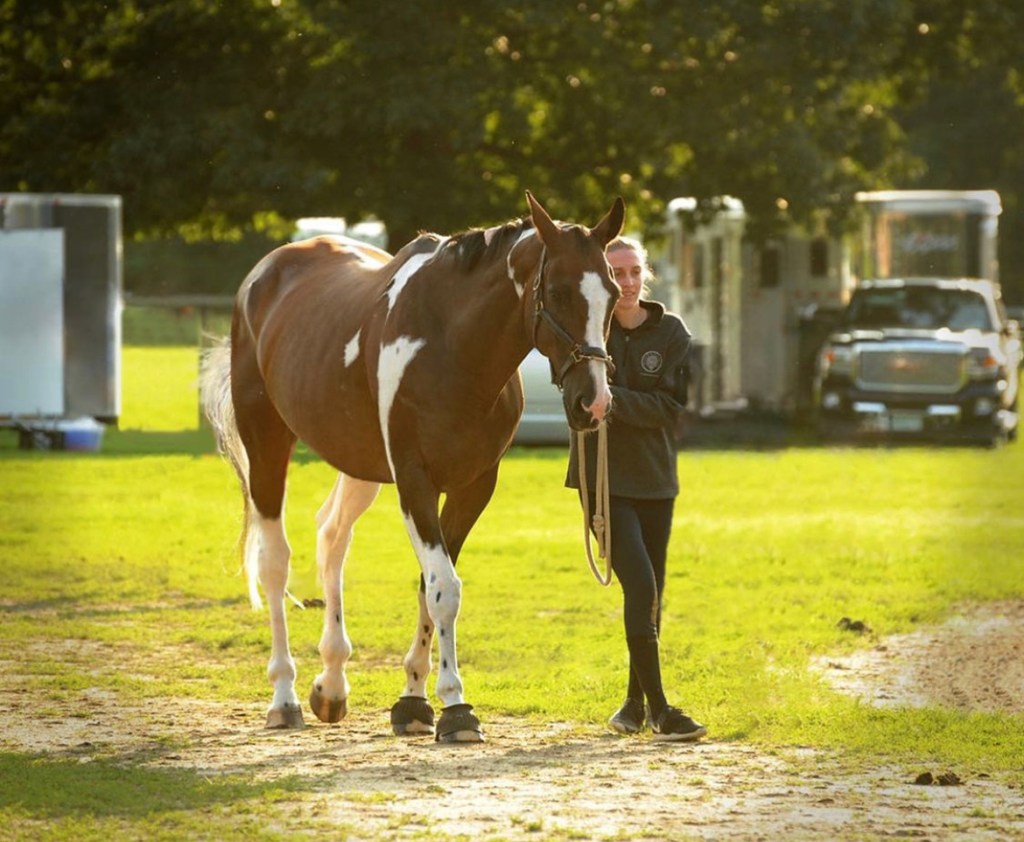
Across the ocean from Boston, Fiona Howard grew up on horseback competing in national shows across Great Britain until a progressive neurological disease, genetic condition and heart defect sidelined her practice for five years and left her struggling to regain her sense of self.
“I didn’t know how to accept what I’d been given,” she said.
Resigned to closing that chapter of her life, Howard chose Northeastern University over the NCAA equestrian schools that had once topped her applications list.
“When I was younger, I was competing. I seemed pretty normal. And then I got really sick, and I have a pretty noticeable physical disability,” Howard said. “When I approached NUEQ I was worried because when you look at me, you’re like, there’s no way this girl can ride a horse.”
Over 750 hospital visits, 300 nights in the hospital, six ICU visits and several trips to the operating room filled Howard’s time at Northeastern. She joined the team prepared to stay on the sidelines, but Looney and Harmony Horse Stables were committed to helping her back into the saddle.
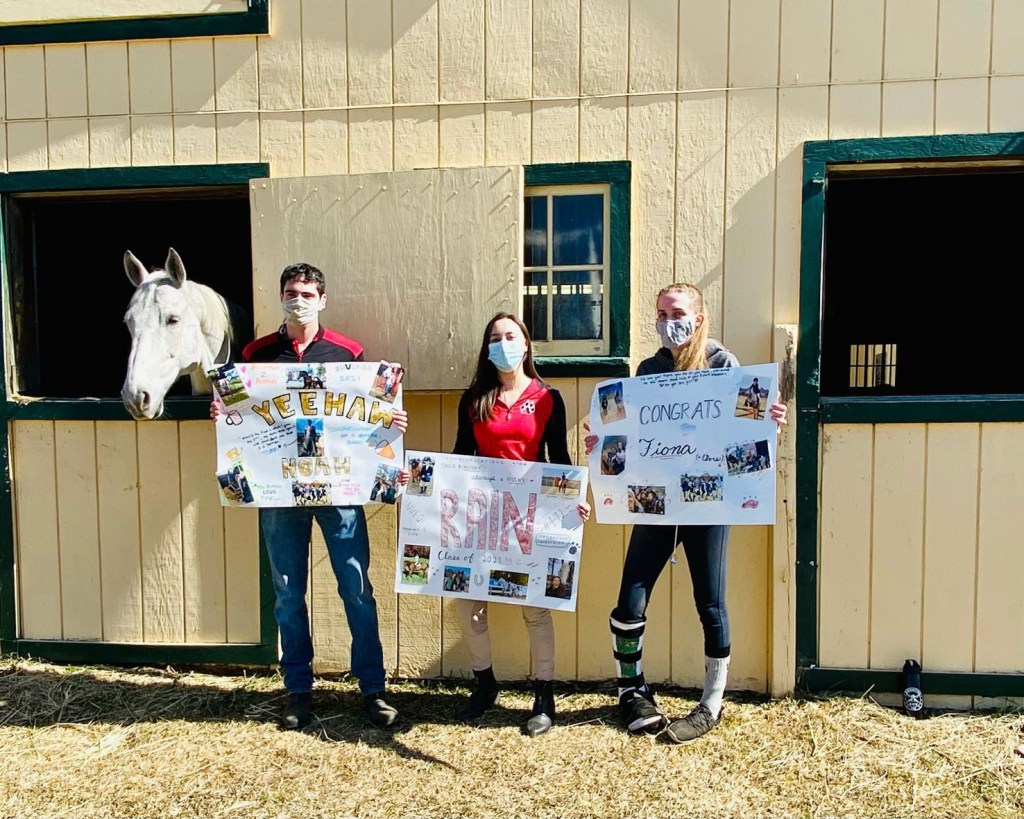
Howard was able to ride and compete again in her senior year, and horseback riding became part of her physical therapy regimen. After graduating in May, she began training for the Paralympic Qualifiers.
“Without NUEQ or the barn that we’re at, I wouldn’t be riding at the level I am now,” Howard said. “It’s been because of them that I got back to horses, especially because doctors said that I would never ride again.”
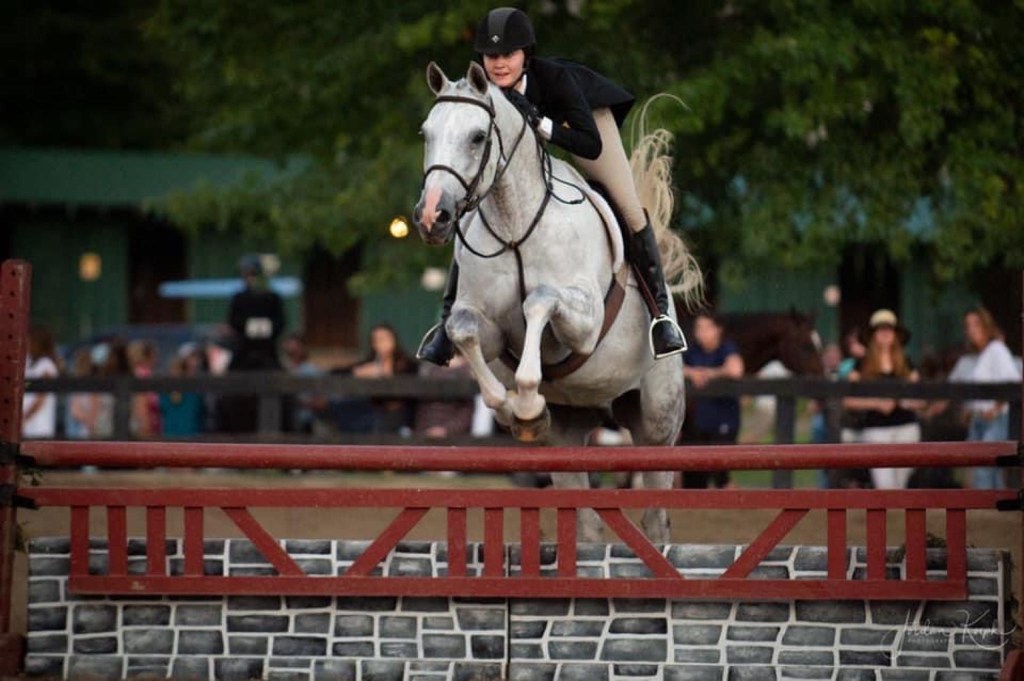
Supporting NUEQ’s affordability and accessibility club infrastructure is the Intercollegiate Horse Show Association, the nonprofit league that they compete in throughout the New England area.
“The core value of the IHSA has always been to bring as many interested students as we could into the sport of equestrian athletics, and the model of IHSA competition is the first part of being more inclusive than other equestrian competitions,” said Tara Lowary, chair of the IHSA’s Diversity, Equity and Inclusion Committee.
The IHSA offers scholarship opportunities based on financial need, essays and academics. Competitions are historically gender-neutral and allow for accommodations and equipment that allow students of all physical abilities to ride on a level playing field. Other organizations like the Interscholastic Equestrian League and the Athletic Equestrian League have followed the IHSA’s lottery system that pairs riders with horses provided by the hosting college, prioritizing the individual rider’s ability over their financial means.
“All colors, creeds and orientations can and do compete at the collegiate level,” Lowary said. “The IHSA is the cornerstone for creating a new generation of riders from all backgrounds.”
The equestrian world has a long way to go before it is a utopia of racial, economic and ability diversity, but in many ways, NUEQ is a microcosm of progress at work, with members who are committed to making their sport accessible at a systemic level to everyone who wants to join and to those who never thought they could.
 KARISSA KORMAN